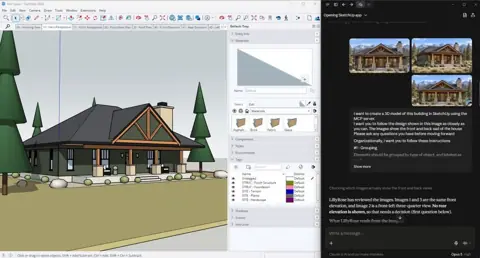
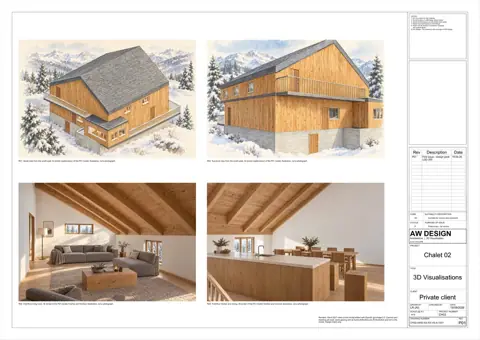
Everyone is talking about GPT-6 Astra this month, and how it seems built to take on…
Everyone is talking about GPT-6 Astra this month, and how it seems built to take on architecture.
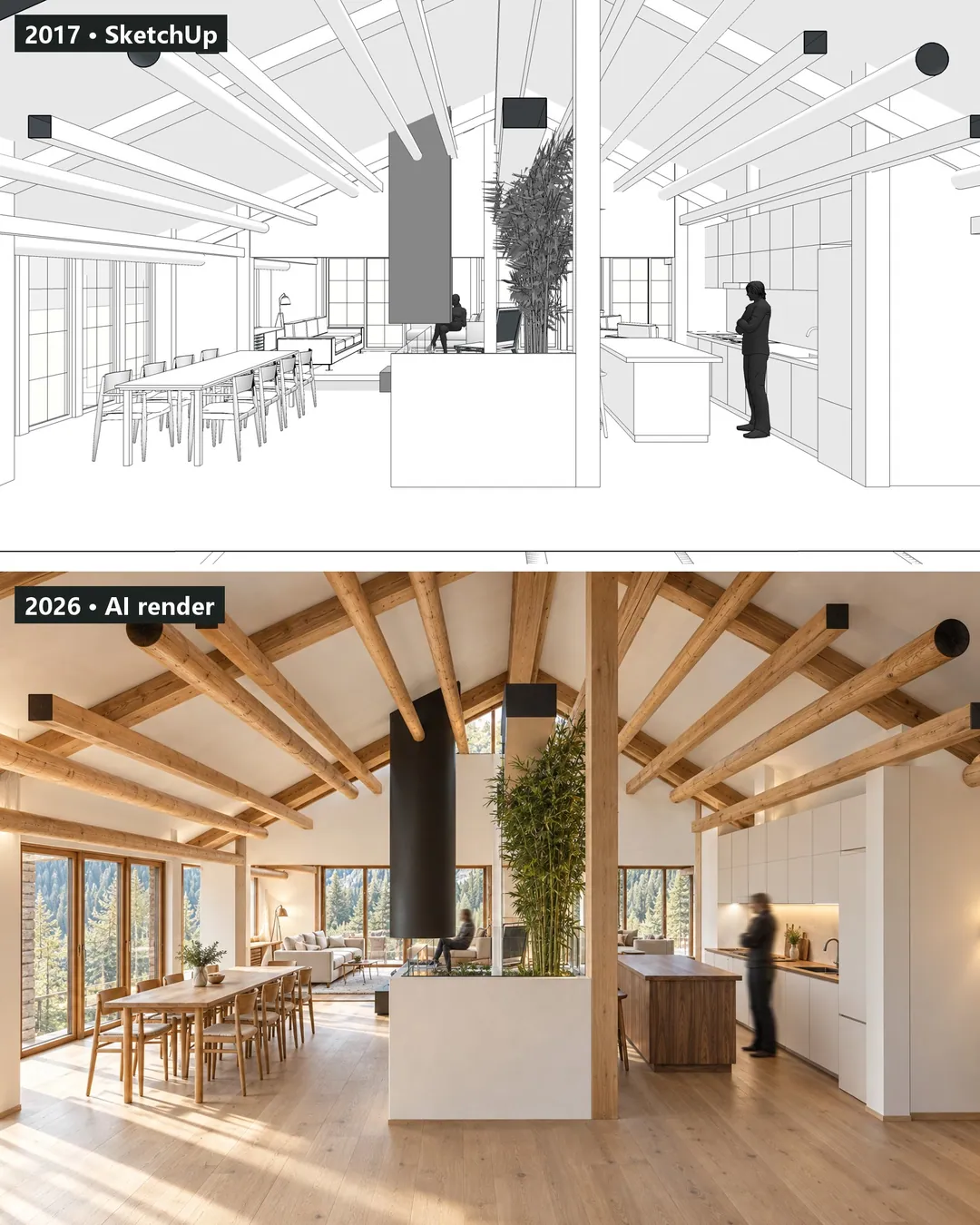
I didn't wait. Tonight I dug out a project from almost ten years ago: the interior of an Alpine chalet, 2017. What the client received back then was a set of grey SketchUp views, revised over three weeks.
I spent a few hours with Claude Opus 5:
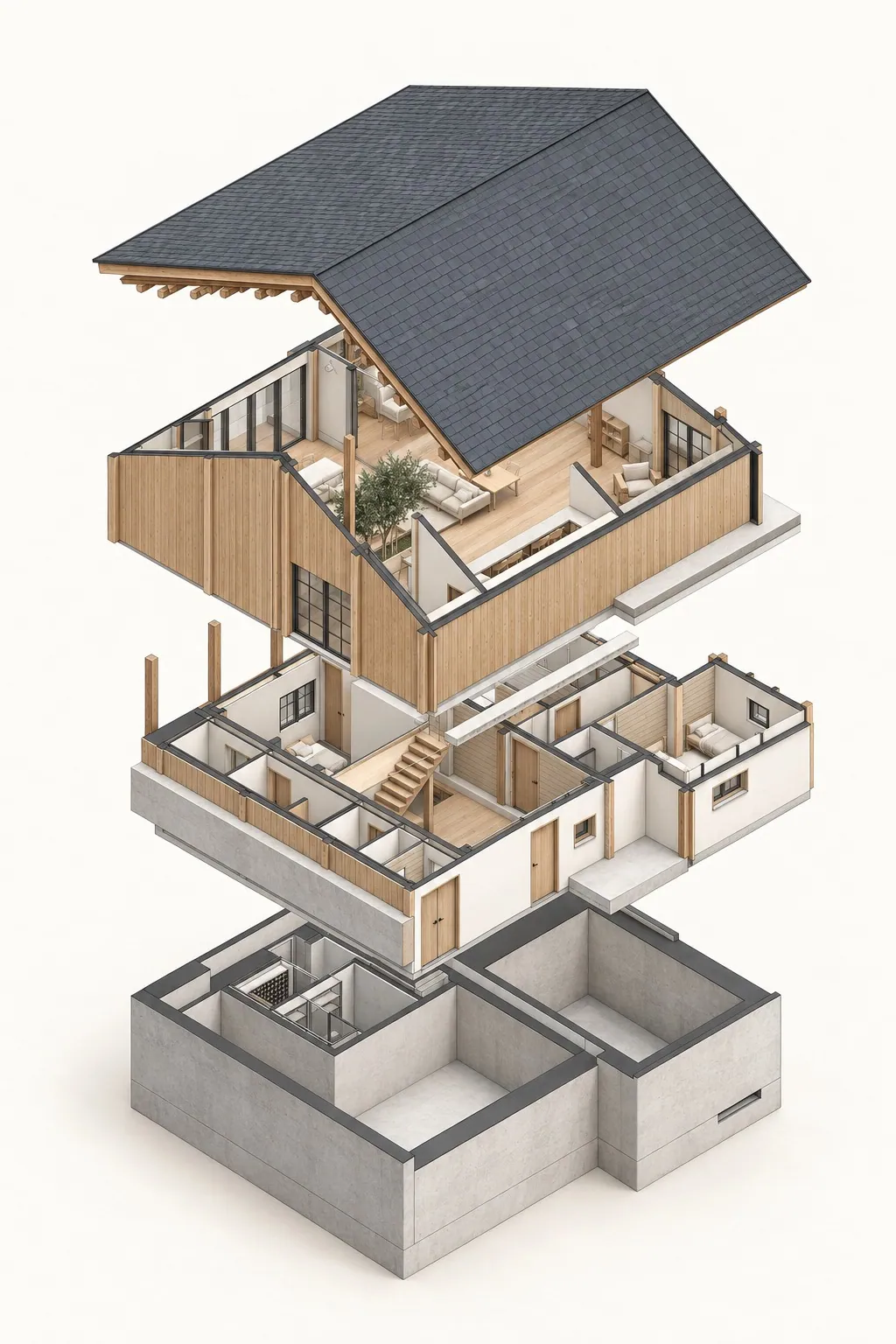
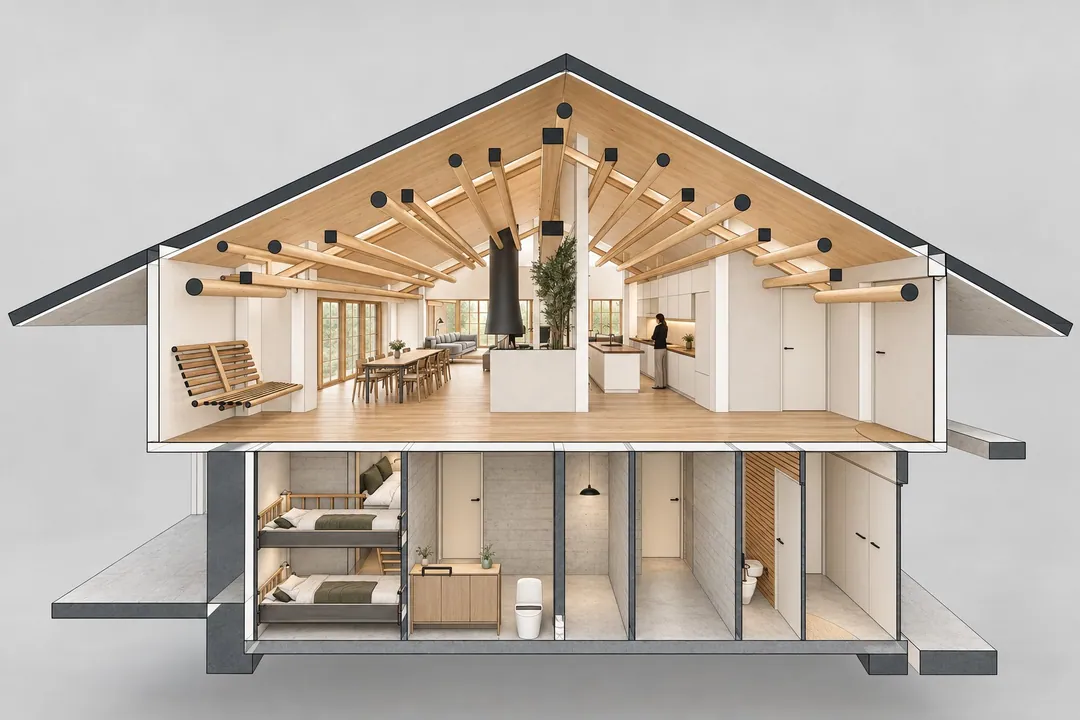
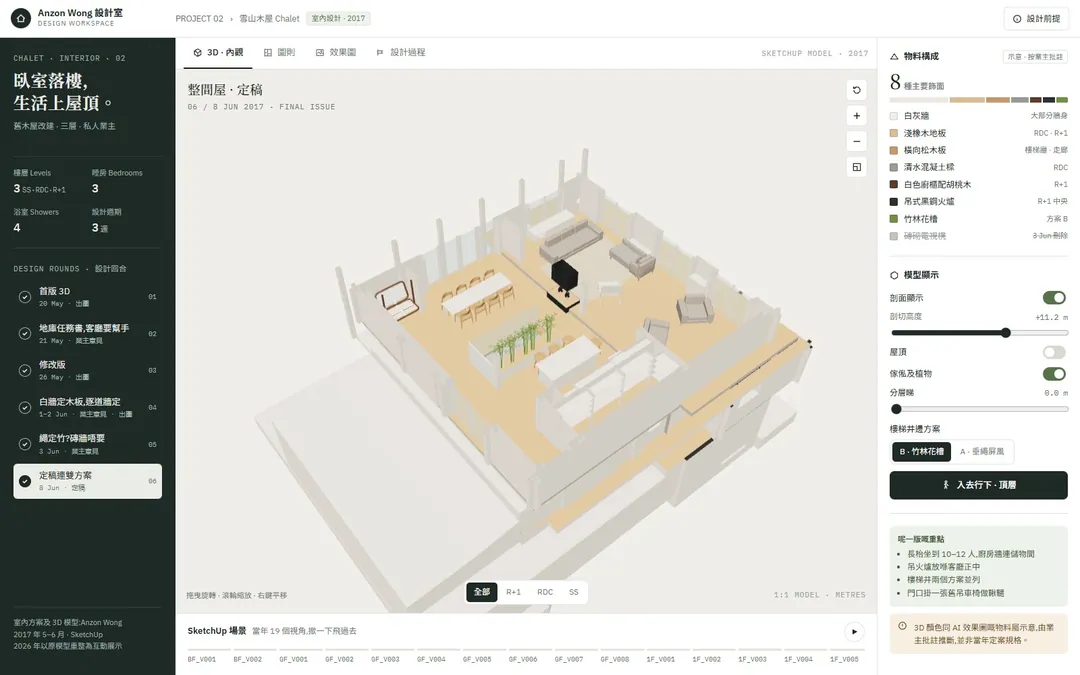
🔸 It opened SketchUp itself and pulled coloured plans, isometrics and sections out of the original model
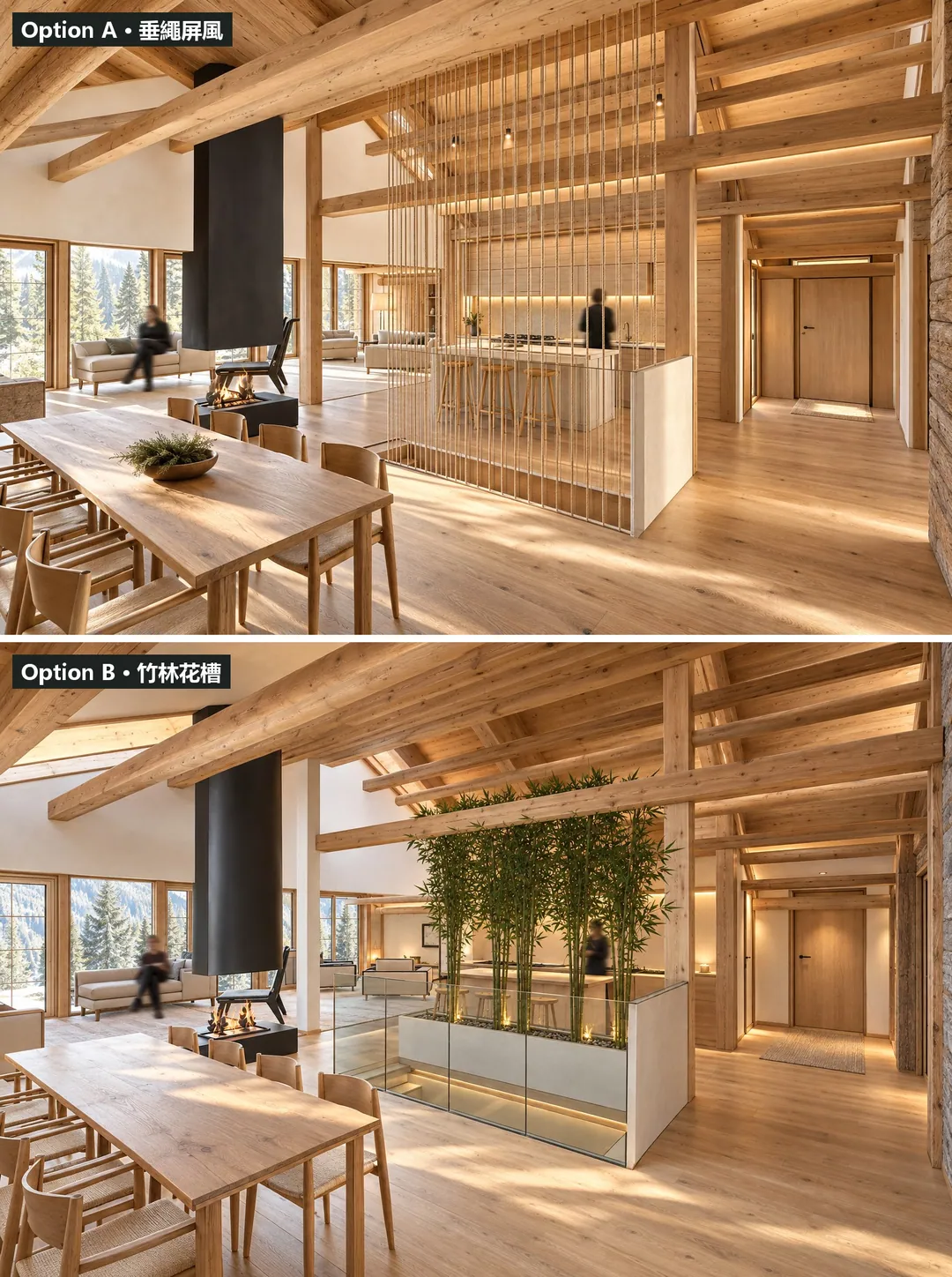
🔸 It built an interactive site: orbit the 3D, cut a live section, pull the floors apart, switch between the two stairwell options, or walk through at eye level
🔸 All 19 of my original SketchUp views are there; one click flies the camera back to each
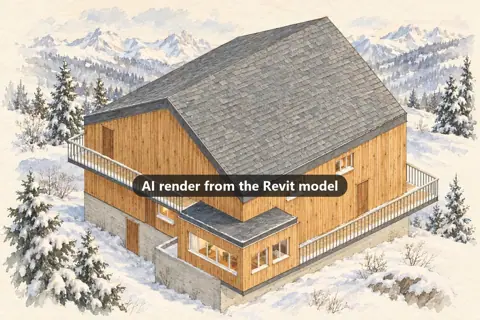
🔸 For the renders it handed my geometry to gpt-image-2.5 to add materials and light
I told it so, and gave it two references: a Japanese house-design site and a set of architecture boards.
But the tools aren't the point.
The first version was incomplete and, frankly, ugly. I told it so, and gave it two references: a Japanese house-design site and a set of architecture boards. It knew exactly what to change.
Which old project is worth showing, how a plan should be coloured, which section tells the story, where the AI has quietly got it wrong (it turned a solid door into a glazed one, and dropped the roof slightly): all of that needs a person who can see it.
So you don't have to wait for GPT-6. Opus 5 already gets you a good result. The real bottleneck is what the user knows. Everyone has the tools now. Knowing what to ask, and spotting what's wrong, is what's scarce.
The interactive site is here, have a spin of the 3D 👇
[LINK]
Is there an old project in your drawer worth telling again with today's tools?